What to know about garden maintenance quotes in Fulham
Posted on 04/11/2026
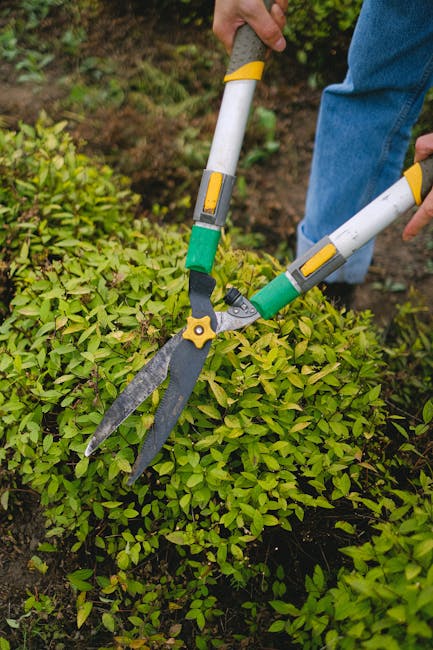
If you are comparing garden maintenance quotes in Fulham, the tricky part is not just the price. It is understanding what is actually included, how often the work will happen, and whether the quote reflects the real condition of your garden. A neat-looking lawn, a patch of stubborn weeds, and a few overgrown shrubs can all change the numbers in different ways. That is especially true in Fulham, where gardens can be compact, awkwardly shaped, or tucked behind terraces and townhouses.
This guide explains how quotes are usually built, what to check before you agree to anything, and how to spot good value without getting caught out by vague wording. It is written to help you make a calm, informed decision. No jargon. No fluff. Just the sort of detail that saves time later.
For broader planning around your outdoor space, it can also help to read about simple low-maintenance garden ideas and practical weed control approaches before you request pricing. Those two things often influence what a quote looks like more than people expect.
Why garden maintenance quotes in Fulham matter
A good quote does more than give you a number. It sets expectations. It tells you whether the work is one-off or ongoing, whether waste removal is included, and whether the gardener has accounted for the small but time-consuming jobs that make a garden look properly cared for. In other words, it helps you compare apples with apples. Or at least try to.
In Fulham, that matters because gardens often have a few quirks. Access can be tight. Side entrances may be narrow. Beds may be layered with mature planting. You might have a patio that needs attention, a hedge that keeps nudging the boundary line, or a lawn that looks simple until you realise the edges need careful finishing every single visit.
People often ask why quotes vary so much. Usually, it is because one provider is pricing a basic tidy-up while another is pricing an ongoing maintenance visit with weeding, pruning, mowing, border care, and debris clearance. The work might sound similar at first glance, but in practice it is not. Not even close.
That is why a quote should be read as a working plan, not just a cost. If you want a cleaner overview of the kind of work often bundled together, the garden maintenance service overview is a useful place to understand the scope before you compare options.
How garden maintenance quotes work
Most garden maintenance quotes in Fulham start with a short assessment. Sometimes that is a site visit. Sometimes it is a phone call with photos. Sometimes both. The goal is to understand the size of the garden, its condition, the access route, and the tasks you want completed.
After that, the provider usually builds the quote around a few practical factors:
- Garden size - small courtyard, medium family garden, or larger multi-zone space.
- Condition - routine upkeep costs less than a garden that needs a full reset.
- Task type - mowing, hedge trimming, pruning, weeding, leaf clearance, or patio cleaning.
- Visit frequency - weekly, fortnightly, monthly, or seasonal visits.
- Access and logistics - carrying equipment, moving waste, or working through a narrow side passage.
- Disposal needs - whether green waste removal is included or charged separately.
Some quotes are fixed for a defined scope. Others are estimated and may change if the gardener finds additional work once they start. That is not automatically a problem, as long as the quote says so clearly. The key is transparency.
You may also see separate pricing for related jobs. For example, a garden that needs regular mowing might sit alongside lawn mowing in Fulham, while a garden with tired borders may be discussed as part of lawn care or wider upkeep. That separation can actually help you budget more precisely.
Key benefits and practical advantages
The biggest benefit of getting a proper quote is control. You know what you are paying for, and you can decide whether that level of service makes sense for your garden and your routine.
Here are the most useful advantages:
- Budget clarity - fewer surprises, fewer awkward add-ons.
- Better planning - easier to choose weekly, monthly, or seasonal maintenance.
- Fair comparisons - you can compare like-for-like service scopes.
- Healthier garden results - regular maintenance prevents small issues from becoming expensive ones.
- Less personal stress - you do not have to keep wondering what should be tackled next.
There is also a practical comfort in knowing that someone has looked at the garden properly. You can tell when a quote has been thought through. It tends to mention the awkward corner by the fence, the patch where weeds keep coming back, and the border that needs seasonal attention rather than a rushed once-over. That sort of detail usually means the quote has real substance.
Expert summary: The best garden maintenance quote is not the cheapest one on the page. It is the clearest one, with a scope that matches your garden, your schedule, and the level of finish you actually want.
Who this is for and when it makes sense
Garden maintenance quotes are useful for all sorts of people, not just homeowners with large lawns. In Fulham especially, they can help if your outdoor space is small but demanding, or if you want it kept tidy without spending every weekend on it yourself.
This is especially relevant if you:
- have a busy work schedule and need regular upkeep;
- are preparing a property for sale or rental;
- have a garden that gets overgrown quickly after rain;
- want seasonal help rather than permanent weekly visits;
- share garden responsibility with neighbours or a landlord;
- need a one-off refresh before guests, a family gathering, or summer use;
- prefer the garden to look neat with minimal ongoing effort.
For example, a small Fulham garden with mature ivy and a few boundary shrubs might not need full redesign work, but it could still need regular trimming and weed management. In that case, a quote should reflect maintenance, not landscaping. That distinction matters. A lot.
If the garden includes features like raised beds, seating areas, or a decking section, the scope may shift a little. A provider may suggest combining maintenance with support such as decking services or patio cleaning in Fulham where surfaces and soft landscaping affect each other.
Step-by-step guidance
If you want to request and assess quotes properly, keep the process simple and structured. That approach makes the whole thing easier, and honestly, less annoying.
- List what needs doing. Write down the jobs you want included, even the small ones. Border weeding, deadheading, hedge trimming, mowing, leaf clearance, pruning, and waste removal should all be mentioned if relevant.
- Take clear photos. Wide shots and close-ups help a provider judge the garden before visiting. A photo of the whole space and another of the problem areas is usually enough to start.
- Ask whether the quote is fixed or estimated. This one saves headaches. A fixed quote gives certainty. An estimate may change if the scope expands.
- Check the visit frequency. Monthly maintenance can look cheap but might not suit a fast-growing garden. Weekly or fortnightly visits may be better value in the long run.
- Confirm what is excluded. Some quotes exclude waste disposal, material supply, stump grinding, or specialist pruning.
- Compare scope, not just price. A quote that includes more work may be better value than one that simply looks smaller.
- Ask how changes are handled. If weather, access, or unexpected growth affects the job, how will that be discussed?
A small but useful trick: keep your own copy of the quote details in plain language. Something as simple as "front hedge, back lawn, border weeds, monthly visits" can help you remember what was agreed. The mind forgets these things faster than you would think. Especially after a long workday and a cup of tea.
Expert tips for better results
After enough garden quotes, you start to spot patterns. The best ones tend to come from clear information and realistic expectations. The worst ones usually happen when the customer says, "just tidy it up a bit," and everyone imagines a different result. That sentence causes chaos.
Here are a few grounded tips that make a difference:
- Be honest about the condition. If it has been six months since the last tidy, say so.
- Separate routine work from special projects. A regular maintenance quote should not accidentally include makeover-level work.
- Think seasonally. Spring and early summer often need more frequent care than colder months.
- Look for practical suggestions. A good gardener may point out that certain plants or borders need simpler care to reduce future costs.
- Ask about the finish level. "Tidy" can mean many things. Ask what tidy looks like in practice.
If you want to reduce ongoing maintenance in the first place, it can help to explore low-maintenance garden ideas, ground cover planting, or even vertical gardening for tighter spaces. Small design choices can lower maintenance pressure quite a bit.
And a gentle warning: if a quote sounds unusually low, ask what is missing. Sometimes the low number is real. Sometimes it is a very optimistic starting point. Let's face it, nobody likes surprise extras after the work starts.
Common mistakes to avoid
Most quote-related problems are preventable. They happen when the scope is vague, when people compare unlike services, or when important details are left out. Nothing dramatic. Just the usual admin gremlins.
- Choosing only by price. Cheapest is rarely the best guide for garden maintenance.
- Not defining the scope. If the quote does not say what is included, you are guessing.
- Forgetting access details. Narrow side access, shared entrances, and parking restrictions can affect time and cost.
- Ignoring waste removal. Green waste can take longer than people expect.
- Assuming every visit is identical. Seasonal work changes. Autumn and spring are not the same job.
- Not checking whether the quote is ongoing or one-off. Those are very different arrangements.
Another common mistake is requesting a "garden tidy" without saying whether you want pruning, soil improvement, or planting help. If your garden needs a reset after a rough patch, make that clear. Sometimes the right starting point is a broader garden makeover basics approach rather than maintenance alone.
Tools, resources and recommendations
You do not need specialist software or a complicated system to get sensible quotes. A few simple tools are enough.
- Phone photos of each area from different angles.
- A written list of tasks and priorities.
- A rough calendar for when you want visits to happen.
- A note on access covering gates, parking, and any neighbour or building considerations.
- Any previous maintenance records if you have them.
If you are unsure what equipment is typically involved, it can help to read about essential gardening tools. That gives you a sense of what a gardener may need on site and why certain jobs take longer than they appear from the kitchen window.
For gardens with tricky conditions, these reads can also help frame the quote conversation:
- protecting gardens from bad weather
- wind-friendly planting and layout ideas
- improving tired soil naturally
If you are comparing maintenance alongside other outdoor work, it can also be useful to look at gardening services in Fulham and landscaping support. Maintenance, repairs, and improvements are related, but they are not interchangeable.
Law, compliance, standards, or best practice
For most homeowners, the main compliance issues are practical rather than legal drama. Still, it is sensible to know what good practice looks like. Professional gardeners should work safely, communicate clearly, and avoid making promises they cannot keep.
Best practice usually includes:
- Clear written scope so both sides understand the job.
- Transparent pricing with any exclusions stated up front.
- Safe working methods when using tools, ladders, or machinery.
- Respect for property boundaries, shared access, and neighbouring areas.
- Data and privacy awareness when handling contact details and quote information.
If a provider discusses insurance, health and safety, or payment terms, that is a good sign. It shows the business takes the work seriously and has thought through the practical side of serving customers. You can also review site policies such as health and safety, insurance and safety, and payment and security for added peace of mind.
One more thing: if your garden includes trees, larger hedges, or boundary planting, it is worth asking whether the job falls within routine maintenance or specialist work. In some cases, a separate tree surgery service or hedge trimming service may be more suitable than bundling everything into a generic visit. That keeps quotes fair and realistic.
Options, methods, or comparison table
When you are choosing between quotes, it helps to compare the way the work is priced and delivered, not just the headline number.
| Quote type | Best for | Pros | Watch out for |
|---|---|---|---|
| Fixed quote | Clearly defined jobs | Budget certainty, easy to approve | May exclude extra tasks unless specified |
| Estimated quote | Gardens with uncertain condition | Flexible, useful for first visits | Final cost can change if scope expands |
| Ongoing maintenance plan | Regular upkeep | Often smoother over time, less overgrowth | Needs clear visit frequency and task list |
| One-off tidy-up | Seasonal refresh or pre-event work | Quick reset, useful when the garden has slipped | May not solve recurring issues long term |
There is no single "best" option. A small courtyard with simple planting may suit a fixed one-off tidy. A fuller garden with fast-growing hedges and a lawn may be better on a recurring plan. Different gardens, different rhythms.
If seating, relaxation, or family use matters to you, a maintenance quote can also be judged alongside your intended use of the space. A garden designed for evenings outdoors may benefit from ideas in outdoor seating areas and simple, calm garden design so the maintenance plan matches how the space actually lives.
Case study or real-world example
Imagine a typical Fulham back garden: modest size, paved area at the rear, a strip of lawn, two borders, and a hedge along the boundary. On paper it sounds straightforward. In reality, the hedge drops clippings into the lawn, weeds appear in the paving joints, and the borders need seasonal pruning because one shrub gets enthusiastic every spring. Very normal. Very human.
A homeowner asking for a quote might first say they need "general tidy-up and mowing." Once the provider walks the space, the work becomes clearer:
- mow and edge the lawn;
- clear weeds from paving and border edges;
- trim the hedge lightly;
- remove dead stems and tidy planting;
- bag and remove green waste;
- suggest a monthly plan to stop the garden slipping again.
That revised scope changes the quote, but in a good way. It becomes more honest and more useful. The homeowner can then decide whether they want a one-off reset or a recurring plan. In many cases, the ongoing plan feels better because it prevents the garden from getting back into a "where do we even start?" state.
A similar logic applies if the space contains a few practical extras like climbers, containers, or a small herb patch. For instance, someone growing edibles might benefit from advice like the ideas in herb garden planning, while a shadier plot might respond well to evergreen climbers for low-light areas. The quote then becomes part maintenance, part sensible garden planning.
Practical checklist
Use this checklist before approving any garden maintenance quote in Fulham:
- Have I listed every task I want included?
- Do I know whether the quote is fixed or estimated?
- Have I asked how often the garden will be maintained?
- Is waste removal included or charged separately?
- Have I shared photos or given enough detail about the garden condition?
- Do I understand what is excluded?
- Have I compared quotes with the same scope?
- Is the provider clear about access, timing, and any possible extra charges?
- Do the payment terms feel clear and reasonable?
- Am I choosing value and clarity, not just the lowest number?
If you can tick most of those off, you are in a strong position. And if not, that is fine too. Just ask another question or two before you sign off. Better that than a messy misunderstanding later.
Get a free quote today and see how much you can save.
Conclusion
Garden maintenance quotes in Fulham are easiest to understand when you focus on scope, frequency, access, and finish. The right quote should feel specific, not vague. It should reflect the actual condition of your garden and the result you want, whether that is a tidy monthly service or a one-off clear-up before the season changes.
Take your time, ask for clarity, and compare the same jobs across every quote. That one habit saves a lot of guesswork. It also makes it easier to choose a service that fits your garden rather than forcing your garden to fit the service.
And truth be told, a well-kept garden does more than look good. It makes the whole place feel calmer, lighter, and easier to enjoy. That is worth getting right.


With many years of experience in the gardening industry, Tucker produces a multitude of articles covering various gardening and landscaping topics. His efforts have facilitated the enjoyment of stunning garden designs for numerous individuals.