SW6 gardeners for garden maintenance near Fulham Broadway
Posted on 20/11/2026
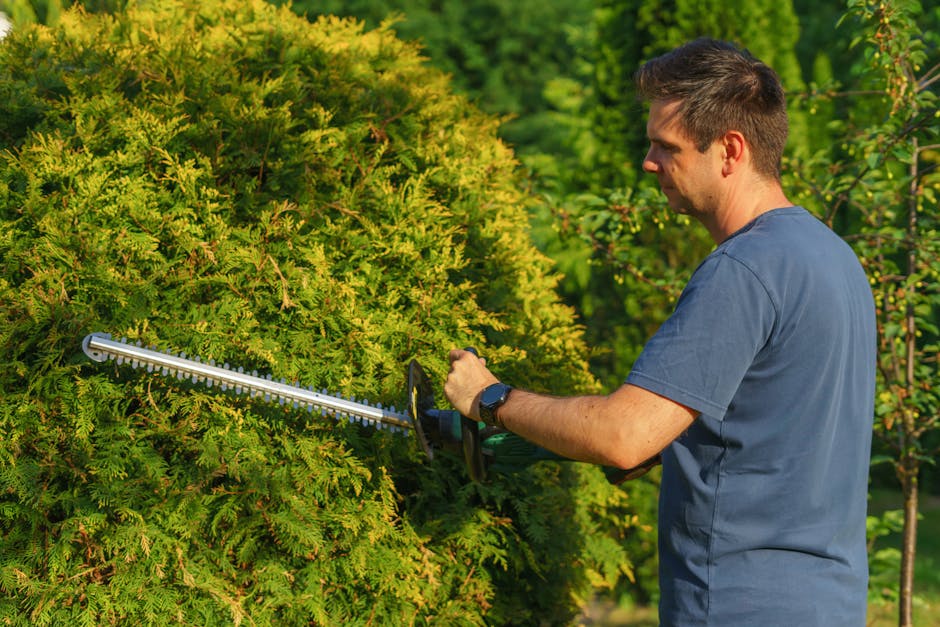
If you live or work near Fulham Broadway, you already know the odd realities of keeping a London garden in good shape: shade from neighbouring buildings, patchy soil, narrow access, and the constant tug-of-war between wanting a beautiful outdoor space and having time to maintain it. That is exactly where SW6 gardeners for garden maintenance near Fulham Broadway can make a real difference. Not by turning your garden into something unrecognisable, but by keeping it tidy, healthy, and genuinely enjoyable to use, week after week.
In this guide, you will find a practical look at what regular garden maintenance should include, how a local service typically works, what benefits matter most, and how to spot the difference between a quick tidy-up and proper horticultural care. We will also cover common mistakes, useful tools, and the kind of standards you should expect from a professional team. A few details may seem small on paper, but in a Fulham garden, small details are often what make the whole space sing.
Quick takeaway: good garden maintenance is not just mowing and weeding. It is ongoing care for lawns, borders, hedges, pathways, planting, soil health, and seasonal resilience, all shaped around local conditions and your own priorities.
Why SW6 gardeners for garden maintenance near Fulham Broadway Matters
Fulham Broadway sits in a part of London where outdoor spaces vary wildly. Some gardens are compact and sheltered, others catch wind straight down the plot, and many sit behind terraces or flats where access can be awkward. That is why garden maintenance here is not just a cosmetic job. It is a local service built around context.
A garden can look "fine" for months and then suddenly unravel: the lawn thins out, ivy creeps into gutters or fences, borders go weedy, and patio edges start to look tired. In a busy area like SW6, where many residents are juggling work, family, and commuting, maintenance often slips until the garden feels like a chore rather than a refuge. That is the turning point when proper routine care matters most.
There is also the practical side. Regular maintenance helps prevent small issues becoming expensive ones. A missed hedge trim becomes a difficult cutback later. A lawn left unmanaged can develop bare patches and moss. A border left to its own devices turns into a weeding marathon. Truth be told, gardens rarely fail dramatically. They usually decline in stages, and you notice it only after the damage has spread.
If you want a broader sense of the service landscape, the main garden maintenance in Fulham page is a useful starting point, while lawn mowing in Fulham shows how lawn care can sit inside a wider upkeep plan. For older shrubs or overgrown boundaries, hedge trimming in Fulham is often part of the same conversation.
One more thing: local knowledge matters more than people expect. The right plants for a shaded SW6 courtyard are not necessarily the same as the right plants for a sunnier back garden. A good gardener reads the site first, then decides what to do. That simple order saves a lot of disappointment later.
How SW6 gardeners for garden maintenance near Fulham Broadway Works
Garden maintenance usually starts with an assessment. A gardener will look at the space as a whole: lawn condition, hedge growth, border health, weed pressure, drainage, hard landscaping, access points, and any seasonal issues. The point is not to produce a fancy plan full of jargon. It is to work out what the garden actually needs.
From there, the work tends to be arranged into routine tasks and seasonal tasks. Routine tasks are the jobs that keep a garden presentable and healthy week to week or month to month. Seasonal tasks deal with the transitions that define UK gardens: spring growth, summer dry spells, autumn leaf fall, and winter protection.
Typical maintenance visits may include:
- lawn mowing and edging
- weeding borders and paving joints
- hedge trimming and shrub shaping
- deadheading and basic pruning
- leaf clearance and green waste collection
- soil improvement and mulching
- patio sweeping or light cleaning
- planting adjustments and replacements
Some gardens also need more specialised care. A shaded plot may benefit from evergreen structure, like ideas explored in evergreen climbers for dim areas. A small courtyard might be better managed with containers, similar to the approach discussed in container gardening. And if your space is cramped or partly overlooked, you may be thinking about privacy planting, which is where fast-growing privacy hedges can inform the planting side of the conversation.
Most good services also adapt to the practical realities of the property. A basement garden accessed through the house needs a different workflow from a front plot with side access. A family garden with pets, toys, and a barbecue area needs a different tidy-up rhythm from a quiet ornamental courtyard. Little things, but they matter.
Key Benefits and Practical Advantages
The obvious benefit is presentation. A maintained garden looks cared for, and that alone changes how you use it. But the better benefits go deeper than appearance.
- Healthier planting: regular pruning, feeding, and deadheading help plants stay vigorous rather than becoming straggly and overmatched.
- Better use of space: when the lawn, borders, and paths are tidy, you can actually sit out, entertain, or let children play without mentally filing away a dozen jobs first.
- Lower long-term effort: small, regular interventions are usually easier than one massive catch-up session. Let's face it, nobody enjoys the "all day in the garden, then aching by dinner" experience.
- Reduced weed pressure: consistent weeding beats fighting deep-rooted growth after it has taken hold.
- Safer surfaces: clean patios and clear paths reduce slip risks, especially in damp London weather.
- Stronger seasonal resilience: beds mulched in time, hedges trimmed correctly, and plants protected before cold snaps cope better.
There is also a calmer, less obvious benefit: a garden that is maintained regularly tends to feel easier to live with. That sounds vague, but you will notice it immediately. Opening the back door on a bright Saturday morning and seeing order instead of chaos does something to your head. It gives the space back to you.
If you are planning any broader outdoor improvements, you may find related ideas useful, such as adding seating areas to your outdoor space, smarter weed control, or even low-maintenance garden solutions if you want the upkeep to stay manageable.
Who This Is For and When It Makes Sense
This kind of service suits more people than you might think. It is not only for large houses with formal gardens. In SW6, some of the best candidates are actually people with smaller spaces who want them to feel polished without spending every weekend pruning, sweeping, or weeding.
Garden maintenance near Fulham Broadway makes sense if you:
- have a garden but little time to look after it properly
- are a landlord or letting agent trying to keep outdoor space presentable
- have just moved in and inherited an overgrown plot
- need regular care after a landscaping project
- want your lawn, hedges, and borders kept in shape through the seasons
- have older plants that need sensible maintenance rather than hard cutting
- prefer a tidy, liveable outdoor space over a high-maintenance show garden
It also makes sense if you are trying to avoid the false economy of "I'll deal with it next month". We have all said that. The weeds did not get the memo.
For some readers, the real need is not the garden itself but the way the space is used. If you have pets, you may want practical planting and clear surfaces; dog-friendly gardening strategies can help frame that thinking. If children use the garden often, a safer and more structured layout is useful too, and kid-friendly garden ideas may spark some useful priorities.
There is no single "ideal" garden type here. The real question is whether your outdoor space feels under control, or whether it is slowly taking over your weekend. If it is the second one, maintenance is probably overdue.
Step-by-Step Guidance
If you are deciding how to approach garden maintenance near Fulham Broadway, a simple step-by-step process helps. It keeps the work practical and avoids the classic mistake of trying to do everything at once.
- Walk the garden properly. Do a slow inspection. Look at the lawn, borders, hedge lines, paths, fence edges, and anything climbing or leaning. You will often spot problems in the first two minutes that were easy to ignore before.
- Separate urgent jobs from cosmetic jobs. Safety and plant health first. A broken branch, blocked path, or waterlogged bed comes before decorative shaping.
- Choose the recurring tasks. In many SW6 gardens, this means mowing, edging, deadheading, light pruning, and weed control on a repeat cycle.
- Decide what belongs to each season. Spring planting, summer watering, autumn clearance, winter protection. Simple, but effective.
- Improve the soil where it looks tired. Healthy soil makes everything else easier. If the garden feels sluggish, read up on enriching soil with organic debris and treat the ground as part of the job, not an afterthought.
- Set a maintenance rhythm. Monthly, fortnightly, or seasonal visits all have their place. The right cadence depends on how fast the garden grows and how polished you want it to look.
- Review after one cycle. The first visit tells you a lot. The second tells you whether the schedule is working. Adjust from there.
A small but important clarification: not every plant should be cut back because it looks untidy. Some need selective pruning, some need deadheading, and some are better left alone until the right season. That distinction is where experience shows up.
If your space has a lot of exposed areas, it is worth thinking about wind and winter exposure too. The guides on wind-smart garden design and winterproofing plants give a good sense of how maintenance and protection overlap.
Expert Tips for Better Results
Good maintenance is not only about effort; it is about timing and restraint. A few targeted habits make a garden look far better without turning every visit into a full rebuild.
- Trim hedges before they become a chore. Smaller, regular cuts are easier on the plant and easier on the gardener. If you wait too long, you end up with a heavy corrective cut, and that is rarely ideal.
- Do not over-clean every natural thing away. Some leaf litter and habitat can be useful in the right places. A spotless garden is not always a healthier one.
- Use ground cover where weed pressure is persistent. The right low-growing plants can save time and soften bare patches. If you want options, ground covers that flourish in UK climates is a helpful reference point.
- Keep an eye on the edges. Borders, paving joints, fence lines, and the base of hedges are where gardens usually start to look tired first.
- Be realistic about light levels. A shady garden cannot be maintained as though it were a sunny one. Plants, mowing height, and pruning approach should reflect the site.
- Think in layers. A strong garden has structure, seasonal colour, and a maintenance plan. Not every feature has to do all three jobs.
There is also a very practical tip that people underestimate: keep the tools sharp and suitable. Dull blades tear growth rather than cutting it cleanly, and that creates a shabby finish. A gardener can do everything else right and still lose the result if the kit is poor. Bit unfair, but true.
For small urban gardens, clever use of vertical space can make routine upkeep easier too. Climbers, wall-trained planting, and trellis systems can reduce clutter at ground level. If that sounds useful, take a look at vertical gardening for compact urban spaces.
Common Mistakes to Avoid
Most maintenance problems come from a few repeat errors. The good news is that they are straightforward to avoid once you know what to watch for.
- Leaving maintenance until the garden is overwhelmed. That is the biggest one. Small jobs become large jobs very quickly.
- Cutting everything back at once. This can weaken plants and remove structure the garden needs.
- Ignoring soil condition. If the soil is compacted, dry, or depleted, planting results will be patchy no matter how neat the surface looks.
- Using one routine for every garden. A shared courtyard, a shaded terrace, and a family lawn all need different rhythms.
- Forgetting the hard landscaping. Paths, decking, patios, and fences are part of the overall look. If they are dirty or weathered, the garden still feels unfinished.
- Letting weeds seed. One of those little mistakes that becomes next month's headache. And then the month after that, if you are unlucky.
A related mistake is assuming that "low maintenance" means "no maintenance". It never does. It simply means the space is designed and managed to require less work over time. That difference matters, especially in a dense urban setting where every minute counts.
If your garden's boundaries are starting to creep visually or physically, a targeted approach to removing invasive ivy and overgrowth can be more sensible than a blanket cutback. Overgrowth is often a boundary issue as much as a plant issue.
Tools, Resources and Recommendations
The best maintenance results usually come from a small, reliable kit rather than a room full of gadgets. You do not need a van full of gear to keep a London garden in order, just the right things used well.
Useful tools and materials often include:
- sharp shears for clean trimming
- lawn mower suited to the plot size
- border fork or hand fork for light soil work
- stable rake for leaves and surface debris
- edging tool for crisp lawn lines
- pruning saw for thicker woody stems where appropriate
- mulch or compost for soil improvement
- gloves, knee protection, and sturdy footwear
For a broader understanding of what makes maintenance more efficient, this guide to key gardening tools is a useful companion. It helps separate essentials from nice-to-haves, which is always helpful when storage is tight.
Some gardens also benefit from extra features that make them easier to enjoy and maintain. Seating zones, for example, can turn a garden from a worksite into a place you actually use. If that appeals, enhancing outdoor spaces with seating areas can guide the thinking. For people who prefer a calmer aesthetic, a simpler, zen-style garden can reduce clutter and make upkeep easier too.
And if you are in the planning stage rather than the maintenance stage, the broader about us page can help you understand the approach behind the service, while pricing and quotes is useful when you want to compare options in a sensible, no-drama way.
Law, Compliance, Standards, or Best Practice
For garden maintenance, the most relevant standards are usually practical rather than bureaucratic. That said, a trustworthy provider should still work safely, communicate clearly, and handle waste responsibly. In the UK, customers typically expect careful use of tools, sensible site access, proper insurance, and attention to health and safety.
You do not need a lecture on legal detail to know when something feels off. If a contractor avoids basic safety questions, gives vague answers about waste removal, or seems unclear about how they will protect surfaces and plants, that is a warning sign.
Good best practice usually includes:
- clear scope of work before the visit
- respect for property and neighbouring boundaries
- safe handling of ladders, sharp tools, and powered equipment
- appropriate disposal or collection of green waste
- careful treatment of wildlife habitats where present
- transparency around scheduling and pricing
If you want extra reassurance, service pages such as health and safety policy, insurance and safety, and payment and security are the kind of pages a professional site should make easy to find. You are not being awkward by checking these. You are being sensible.
For larger or more involved work, it can also help to understand what falls under maintenance and what becomes landscaping or tree work. If a hedge has become structurally unwieldy, a tree or fence issue may need a different type of attention. That distinction saves time, money, and a fair bit of frustration.
Options, Methods, or Comparison Table
Choosing the right maintenance approach depends on the size of your garden, how fast it grows, and how polished you want it to look. Here is a simple comparison that may help.
| Approach | Best for | Typical strength | Limitations |
|---|---|---|---|
| Weekly or fortnightly routine care | Fast-growing gardens, visible front or rear spaces | Keeps the space consistently tidy and easier to manage | Needs regular scheduling and a steady budget |
| Monthly maintenance | Smaller or slower-growing gardens | Good balance between control and convenience | Can miss quick growth spurts in peak season |
| Seasonal visit plan | Low-use gardens or lighter upkeep needs | Focuses effort on the key changes in spring, summer, autumn, and winter | Less effective for lawns and dense planting if growth is rapid |
| One-off clearance plus reset | Overgrown, inherited, or neglected gardens | Creates a workable starting point | Does not maintain results without follow-up |
In real life, many people use a mix of these. For example, a garden may need an initial reset, followed by regular light maintenance. That is often the sweet spot. Not too much, not too little.
If you are leaning toward a simpler layout overall, low-maintenance garden ideas can help shape the kind of upkeep plan you need, while advice for new gardeners is handy if you are still learning what your garden asks of you each season.
Case Study or Real-World Example
Here is a realistic example from the sort of work that comes up often near Fulham Broadway.
A compact back garden behind a terrace had three recurring problems: a lawn that was thinning at the edges, beds that were full of weeds after rain, and a hedge line that had grown unevenly enough to cast more shade than it should have. Nothing dramatic. Just enough to make the space feel tired and a bit awkward.
The maintenance approach started with a clean-up: pruning the hedge lightly rather than hacking it back, weeding the borders by hand, edging the lawn properly, and removing the build-up of debris from the corners where wind had been dropping leaves. The soil in one bed was also improved with compost, because the planting was clearly struggling. Then the gardener set a repeat schedule for mowing and light maintenance.
The result was not a "new garden" in the dramatic sense. It was better than that. The space became easier to step into, easier to keep tidy, and much more pleasant to sit in on a dry evening. There was less visual clutter, and the planting looked like it had been given breathing room. One of those understated transformations that, honestly, people often appreciate most.
This is a good example of why maintenance should never be thought of as just tidying. It is a preservation job. Sometimes a gentle one. Sometimes more assertive. But always with an eye on the long term.
Practical Checklist
Use this checklist before booking or planning your next garden maintenance visit.
- Is the lawn growing unevenly or looking patchy?
- Are weeds appearing in borders, paths, or paving joints?
- Do hedges or shrubs need shaping before they become unmanageable?
- Is there leaf build-up, especially after wet or windy weather?
- Do plants look weak, leggy, or crowded?
- Would soil improvement or mulching help the beds perform better?
- Are there patio, decking, or fence areas that need a refresh?
- Do you want a one-off tidy, a seasonal reset, or ongoing maintenance?
- Is access to the garden straightforward, or are there practical constraints?
- Would you like the work tailored around pets, children, or entertaining spaces?
If most of those answers point to "yes", then you probably already know the garden needs a proper routine, not another half-hearted weekend attempt. And that is okay. We all have enough to do.
For gardens that feature more built surfaces, you may also want to look at patio cleaning in Fulham or decking services in Fulham as part of a broader maintenance plan. When boundaries are a concern, fencing in Fulham can also be part of the picture.
Get a free quote today and see how much you can save.
Conclusion
SW6 gardeners for garden maintenance near Fulham Broadway are most valuable when they bring consistency, local awareness, and practical judgement to a space that needs more than the occasional tidy. In a part of London where gardens are often compact, shaded, exposed, or simply too easy to neglect, regular maintenance can be the difference between a garden you avoid and a garden you actually use.
The best results come from simple habits done well: mowing before the lawn becomes shaggy, pruning before plants get leggy, weeding before seed set, and improving soil before the borders start to struggle. That rhythm is what keeps a garden calm, healthy, and manageable. Not perfect. Just properly looked after.
If you are ready to make your outdoor space easier to live with, start with the basics and build from there. A good garden should feel welcoming on a Tuesday evening as much as on a sunny weekend, and with the right maintenance, it can.

With many years of experience in the gardening industry, Tucker produces a multitude of articles covering various gardening and landscaping topics. His efforts have facilitated the enjoyment of stunning garden designs for numerous individuals.