New Kings Road commercial gardeners for shops and cafes Fulham
Posted on 12/11/2026

If you run a shop, cafe, or hospitality business on New Kings Road, the outside space is doing more work than most people realise. It is the first glance, the pause before the door opens, the bit that tells passers-by whether the place feels cared for. That is why New Kings Road commercial gardeners for shops and cafes Fulham matter so much: they help keep entrances, planters, paving edges, and planted borders looking sharp, safe, and inviting without turning your team into part-time gardeners. In a busy stretch of Fulham, that small difference can make a place feel polished instead of simply "fine".
This guide breaks down what commercial gardening for shops and cafes actually involves, how the service works in practice, what to expect, and how to choose the right support for a frontage that needs to look good on a rainy Tuesday just as much as on a sunny Saturday. It is practical, local, and grounded in the day-to-day reality of running a customer-facing business.
- Why it matters
- How the service works
- Key benefits and practical advantages
- Who needs this and when it makes sense
- Step-by-step guidance
- Expert tips for better results
- Common mistakes to avoid
- Tools, resources and recommendations
- Law, compliance, standards, or best practice
- Options, methods, or comparison table
- Case study or real-world example
- Practical checklist
- Conclusion
- Frequently asked questions
Why New Kings Road commercial gardeners for shops and cafes Fulham Matters
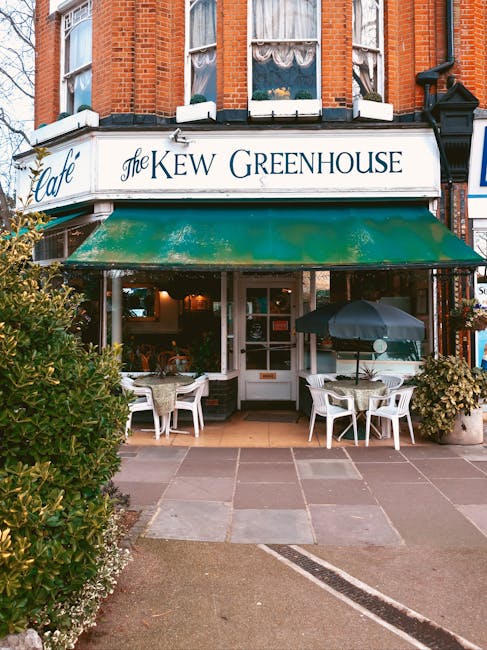
For shops and cafes, the exterior is not decoration. It is part of the customer experience. A clipped hedge, weed-free path, or well-placed planter can make a small frontage feel bigger, calmer, and more welcoming. On the other hand, tired shrubs, self-seeded weeds, or mossy paving can make even a good business look neglected. Let's face it, people do judge a place before they step inside.
On New Kings Road, where footfall and presentation both matter, commercial garden care has a very specific job. It has to be attractive, but also robust. It must suit the rhythm of a business that may open early, serve all day, and need outdoor areas that still look decent after deliveries, wheelie bins, damp weather, and the occasional spilled coffee. That is a different brief from a private back garden.
Commercial gardeners understand that the goal is not just "pretty planting". It is clean sightlines, safe access, reliable maintenance, and a frontage that supports the brand. For some businesses, that means crisp seasonal containers. For others, it is simple low-maintenance structure with evergreen planting, regular pruning, and sensible weed control. If you want ideas for keeping things manageable, these low-maintenance garden ideas are a useful starting point.
There is also a morale point here. Staff notice when the outside looks cared for. Customers notice too. And in a cafe, where atmosphere matters almost as much as the menu, that sense of order can quietly support everything else you are trying to do.
How New Kings Road commercial gardeners for shops and cafes Fulham Works
Commercial gardening for a shop or cafe usually starts with a walk-through. A good gardener will look at the front display, the amount of sunlight, the width of pavements or thresholds, drainage, wind exposure, and how much time your team can realistically spend on upkeep. Those details matter. A lot.
From there, the work normally becomes a maintenance plan rather than a one-off tidy-up. For a small business, that plan may include seasonal planting, deadheading, weed removal, pruning, hedge trimming, container replacement, and light jet or patio cleaning around the entrance. If there is a seating area outdoors, it may also involve keeping the surface clear, safe, and comfortable for customers. A useful related read is enhancing outdoor spaces with seating areas, especially if you have tables, benches, or a frontage where people linger.
In practical terms, the service often runs in a simple cycle:
- Initial assessment - reviewing the site, planting conditions, and business needs.
- Maintenance plan - agreeing what happens weekly, monthly, or seasonally.
- On-site work - carrying out the agreed tasks at suitable times.
- Ongoing adjustments - swapping plants, tightening the finish, and reacting to weather or growth.
That flexibility is important. A cafe frontage in April can look very different from the same space in November. Good gardeners do not simply repeat the same job all year. They adapt. Slightly different each time, but that is the point. The space stays alive without becoming chaotic.
Key Benefits and Practical Advantages
There are plenty of reasons businesses invest in regular garden care, but the strongest ones are usually practical. Yes, appearance matters. But so does time, safety, and consistency.
- Better first impressions - a tidy entrance instantly signals care and professionalism.
- Less staff distraction - your team can focus on customers, not weeding or sweeping leaf litter.
- Safer access - clear paths, reduced moss, and controlled planting help avoid trip hazards.
- More consistent branding - the outside reflects the same standard as the interior.
- Lower long-term fuss - planned maintenance usually costs less stress than repeated rescue work.
- Seasonal appeal - fresh planting can make a frontage feel current rather than tired.
There is a quieter benefit too: it makes a business easier to use. Customers approaching a cafe want to feel welcomed, not dodging brambles or looking at a patch of weeds poking through cracked paving. In our experience, people notice the little things most when they are missing.
For businesses with narrow frontages, vertical planting can be a smart option. It adds greenery without eating into customer space, which is especially helpful where pavement width is limited. If that sounds relevant, vertical gardening for a lush urban escape gives a good sense of the possibilities.
Another advantage is resilience. A well-planned display can be designed around local conditions, meaning less constant replacement and fewer plant losses. For windy spots, that may mean hardier species and heavier containers; for shady entries, it may mean choosing plants that can cope with softer light rather than fighting the site.
Who This Is For and When It Makes Sense
This kind of service is ideal for businesses that rely on visual presentation at street level. That includes independent cafes, bakeries, boutiques, salons, florist shops, delis, and mixed-use premises with a customer-facing entrance. It can also suit landlords or managing agents who need a commercial frontage kept presentable without constant supervision.
It makes particular sense if any of the following sound familiar:
- You have outdoor planters that look great for a while, then go patchy.
- Weeds keep returning near the entrance or paving edges.
- Staff are improvising with watering, trimming, or sweeping.
- The frontage is visible from the road and affects how people judge the business.
- Seasonal displays matter, but no one has time to manage them properly.
It is also a good fit if you want to reduce the "always one job behind" feeling. That is a real thing in hospitality. One day the bins need moving, the next the herbs are drooping, and by Friday the front step has a line of mud that no one intended. A routine garden service takes that pressure away.
For businesses with a simpler brief, a low-maintenance planting style may be the right call. Growing herbs well can work beautifully for cafe displays when managed carefully, while ground covers that flourish in UK climates can help suppress weeds in lower beds and borders.
Step-by-Step Guidance
If you are setting up commercial garden support for a shop or cafe, a sensible process keeps things tidy from the start. Here is the route that usually works best.
- Define what the outside space must do. Is it for visual appeal only, or do customers sit there? Does it need to stay clear for deliveries or accessibility?
- Map the problem areas. Note shade, wind, drainage issues, foot traffic, and any spots where plants repeatedly fail.
- Choose a maintenance rhythm. Weekly, fortnightly, or seasonal visits all make different levels of sense depending on growth and exposure.
- Match plants to the site. This is where many businesses go wrong. A plant that looks lovely in a catalogue may hate your front aspect.
- Agree on practical finishing details. Who waters containers? Who removes spent plants? Who checks moss, weeds, or dead leaves?
- Review after the first month. A good plan is adjusted once real conditions show up. That first month teaches you plenty.
One small but useful tip: treat the frontage like part of the operations team, not a separate ornament. When plants are chosen and maintained with the business in mind, they stop becoming a burden. They just work. Quietly, which is often the best sort of support.
If your entrance is shaded, it may be worth exploring planting that suits low-light conditions rather than forcing sun-loving choices into the wrong place. The article on evergreen climbers for dim areas is a handy example of how to think more carefully about shade.
Expert Tips for Better Results
Good commercial gardening is often less about dramatic changes and more about getting the basics right, consistently. That sounds dull, but honestly, it is where the results come from.
- Use containers with purpose. Heavy, stable pots are better near entrances than lightweight ones that move around in wind or get knocked by foot traffic.
- Keep planting structure simple. A couple of strong plant families usually looks sharper than a crowded mix of everything available.
- Plan for winter, not just spring. A frontage that looks good in June but barren in January needs rethinking. Year-round structure matters.
- Build in easy access for watering. If a plant display is hard to reach, it will quietly deteriorate. It happens all the time.
- Use pruning to shape, not just to reduce. Trim with the overall frontage in mind. The outline matters as much as the plant itself.
A more advanced tip is to think in layers. Front layer, middle layer, backdrop. That could mean low seasonal colour at the edge, evergreen structure behind, and perhaps a wall climber or taller container feature to finish the frame. Small frontage, bigger impact. Simple, but not simplistic.
If your business has a strong indoor-outdoor feel, it can help to echo the mood outside. A cafe with a calm, softened interior may benefit from the kind of restrained planting discussed in this piece on a zen-style garden approach. Different space, same principle: less clutter, more intention.
And one slightly nerdy but useful point: maintain the edges. Crisp edges make nearly everything look more expensive. A lot of the time, that is the secret. Not magic. Edges.
Common Mistakes to Avoid
Commercial frontage planting goes wrong in predictable ways. The good news is that most of them are avoidable once you know what to watch for.
- Choosing plants for looks alone. A plant must suit the site and the maintenance level, or it becomes a short-lived experiment.
- Overcrowding planters. Too many plants in one container often leads to faster decline and constant watering issues.
- Ignoring drainage. Waterlogged roots can ruin an attractive display surprisingly fast.
- Letting weeds establish. Once they settle into paving cracks or beds, the job gets harder. Much harder.
- Forgetting the customer route. A display should welcome people, not block them or create awkward bottlenecks.
- Skipping regular upkeep. A single tidy-up is not the same thing as maintenance. Not even close.
Another common issue is trying to make the frontage do too much. If you want colour, structure, privacy, and branding all at once, that is fine - but the design has to be coherent. Otherwise it becomes a busy little mess, and nobody wants that outside a cafe.
For situations where leaf build-up, debris, or damp surfaces are the main problem, it is worth keeping an eye on seasonal weatherproofing advice such as keeping your garden safe from the elements. Wet weather changes what needs attention, and in London, it changes it fast.
Tools, Resources and Recommendations
A reliable commercial gardener will usually arrive with the right kit for small-site maintenance, but it helps to understand the basics. That way, you know what good work looks like and what shortcuts to question.
| Need | Useful tools or approach | Why it helps |
|---|---|---|
| Weed control | Hand weeding, edging tools, mulch | Stops cracks and borders from looking tired |
| Frontage tidy-up | Pruners, brooms, lightweight waste removal | Keeps entrances clean and presentable |
| Container displays | Proper pots, quality compost, watering schedule | Supports healthier planting with fewer failures |
| Shady or tricky spots | Site-specific plant selection | Improves survival and cuts replacement costs |
| Seasonal refreshes | Rotation of planting schemes | Prevents the frontage from becoming stale |
There are also a few practical resources on the site that can help businesses understand broader garden care options. If your frontage includes pathways or a small terrace, patio cleaning in Fulham can complement planting work neatly. If the whole exterior needs more than a tidy-up, garden maintenance in Fulham is often the natural broader service to consider.
For businesses comparing garden care with more structural improvements, landscaping in Fulham can be useful where a frontage needs rethinking rather than just maintaining. If timber features, borders, or edges are involved, decking services in Fulham and fencing in Fulham may also be relevant in the wider project mix.
Law, Compliance, Standards, or Best Practice
For shop and cafe owners, garden care is not just about looks. It also intersects with basic safety and operational responsibilities. While the exact duties depend on the site and the way it is used, the broad expectation in the UK is straightforward: outdoor areas should be reasonably safe, reasonably well maintained, and not create avoidable hazards for staff or customers.
That means paying attention to things like slippery paving, overgrown entrances, obstructed access routes, unmanaged waste, and unstable containers. If outdoor seating is part of your business, then keeping surfaces clear and visible becomes even more important. It is common sense, but common sense is often what keeps things going smoothly.
Commercial gardeners working on business premises should also follow sensible site practices: clear communication, safe handling of tools, proper disposal of green waste, and respect for opening hours and customer flow. In larger jobs, a written service agreement is wise because it clarifies what is included, how often visits happen, and who is responsible for water access, access codes, or timing.
There is no need to overcomplicate this. A good standard is simply: if a customer could reasonably trip, slip, or struggle to pass, it needs attention. That is the sort of practical benchmark businesses can actually use.
For general trust and process reassurance, it may also help to review the company's health and safety policy, insurance and safety information, and terms and conditions. If privacy or complaints handling matters to your business relationship, the site's privacy policy and complaints procedure are also sensible documents to review. A bit unglamorous, yes. Still important.
Options, Methods, or Comparison Table
Not every shop or cafe needs the same level of service. Some only need occasional refreshes. Others need near-constant attention because the frontage is part of the brand. Here is a simple comparison to help you think clearly.
| Approach | Best for | Pros | Trade-offs |
|---|---|---|---|
| One-off tidy-up | Opening events, rebranding, seasonal reset | Fast improvement, useful after neglect | Does not maintain standards over time |
| Scheduled maintenance | Most shops and cafes | Reliable, neat, predictable | Needs an ongoing budget |
| Seasonal planting programme | Businesses wanting colour and freshness | Visually strong, customer-friendly | Requires swaps and more planning |
| Low-maintenance evergreen scheme | Busy teams with limited garden oversight | Less fuss, year-round structure | Can feel less changeable if not designed well |
If your frontage is exposed or exposed-ish - and many are - the low-maintenance route is often the smartest. But if you want seasonal character, you can still have it. The trick is to choose plants and maintenance intervals that are honest about how much time you actually have.
That is where a site-specific plan wins. A generic "green it up" approach often looks lovely for about three weeks, then drifts. A practical plan lasts.
Case Study or Real-World Example
A small cafe on a busy Fulham street had a familiar problem. The entrance looked good in spring, but by late summer the containers were tired, weeds had appeared along the edges, and the seating area felt a bit scruffy after repeated foot traffic. Nothing disastrous, just enough to dull the welcome. You could see it before you even reached the door.
The solution was not a huge redesign. It was a more realistic maintenance approach. The team simplified the planting, switched to hardier container choices, cleared the entrance paving properly, and set a regular visit schedule for pruning and deadheading. The gardener also adjusted the arrangement so it would hold its shape better through wetter months, which made a noticeable difference once the weather turned. Not flashy. Effective.
They also introduced a few helpful features from the start: easier-to-water planters, less crowded arrangements, and clearer access around the seating zone. The result was a frontage that stayed tidy without constant panic-clearing. Customers were more likely to linger outside, and staff stopped "just doing a quick bit of weeding" between orders. That alone is a win.
If you run a business where the first impression is part of the sale, that kind of improvement matters more than people sometimes admit.
Practical Checklist
Use this checklist when planning or reviewing commercial garden care for a shop or cafe on New Kings Road.
- Have you identified the busiest customer-facing areas?
- Do the plants suit the light, wind, and drainage conditions?
- Is there a realistic schedule for watering, pruning, and tidying?
- Are pavements, steps, and entrances kept clear?
- Have you reduced the chance of weeds taking hold in cracks and borders?
- Is the display still attractive in winter, not just in summer?
- Does the layout support accessibility and easy movement?
- Are containers stable and appropriate for the site?
- Has the maintenance plan been reviewed after the first few visits?
- Does the outside still reflect the brand you want people to feel?
If you can tick most of those off, you are in good shape. If not, that is fine too. Better to catch the weak spots early than to keep patching them in a rush.
Get a free quote today and see how much you can save.
Conclusion
New Kings Road commercial gardeners for shops and cafes Fulham are not just there to make things look neat. They help keep a business frontage welcoming, safe, and manageable in real life, which is the part that matters once the day gets busy. Good commercial garden care gives you consistency, reduces stress, and supports the kind of first impression that makes people slow down and come in.
Whether you need a simple maintenance plan, seasonal planting, or a more complete frontage refresh, the best results usually come from choosing a service that understands the rhythm of a customer-facing business. Not every space needs a grand design. Some just need quiet, reliable care that never lets things slide. That, frankly, is where the value sits.
If your shop or cafe frontage in Fulham has started to feel a bit overlooked, the next step does not have to be complicated. A clear plan, a sensible schedule, and the right hands on the job can make it feel like part of the business again. And that can be a lovely thing to see, especially on an ordinary morning when the street is just waking up.


With many years of experience in the gardening industry, Tucker produces a multitude of articles covering various gardening and landscaping topics. His efforts have facilitated the enjoyment of stunning garden designs for numerous individuals.