Garden clearance challenges in Fulham mews and narrow gardens
Posted on 27/10/2026
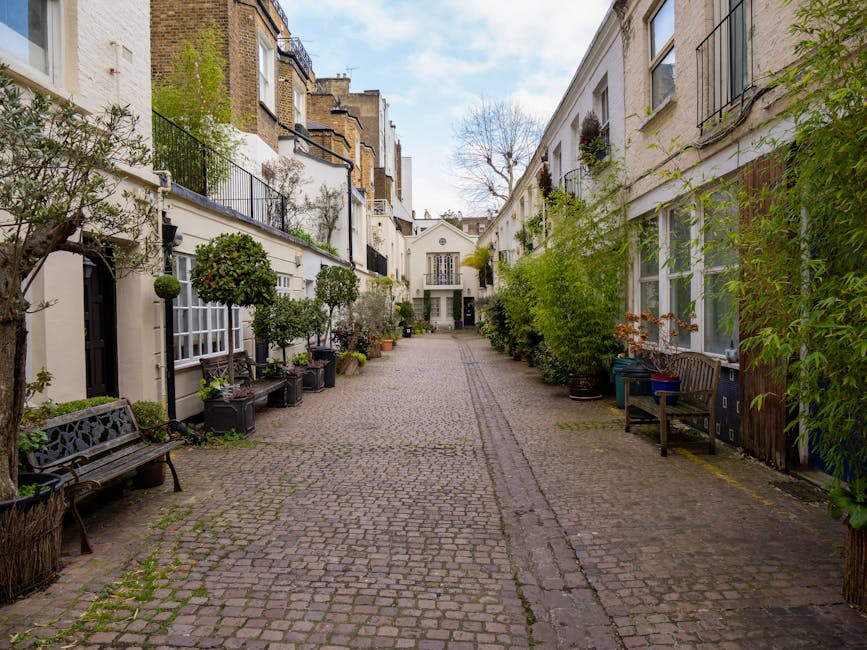
Garden Clearance Challenges in Fulham Mews and Narrow Gardens
Garden clearance in Fulham mews and narrow gardens is rarely a simple Saturday job. Tight access, shared passageways, awkward corners, overgrown climbers, and nowhere to stack waste can turn a quick tidy-up into a very careful operation. If you have ever tried to carry a bramble-filled bag through a narrow side return without clipping a wall or a parked bike, you will know exactly what this means.
This guide breaks down the real-world challenges, the best ways to manage them, and the small decisions that make a big difference. Whether you are dealing with a compact mews courtyard, a long skinny rear garden, or a patch of neglected growth behind a terrace, the aim is the same: clear the space safely, efficiently, and with as little disruption as possible.
We will look at what makes these gardens different, how clearance work is usually approached, what tools and methods help most, and where people often go wrong. There is also a practical checklist, a comparison table, and a few honest examples from the kind of jobs people in London tend to face. Because, let's face it, narrow gardens have a habit of hiding problems in plain sight.
Why Garden Clearance Challenges in Fulham Mews and Narrow Gardens Matters
In a larger garden, clearance can be handled in broad sections. In a mews or narrow plot, every square metre matters, and so does every route in and out. That changes the job in practical ways. Waste removal is harder. Machinery may not fit. Neighbours are closer. Noise carries. And the difference between a tidy finish and a messy one often comes down to planning the movement of materials before the first cut is made.
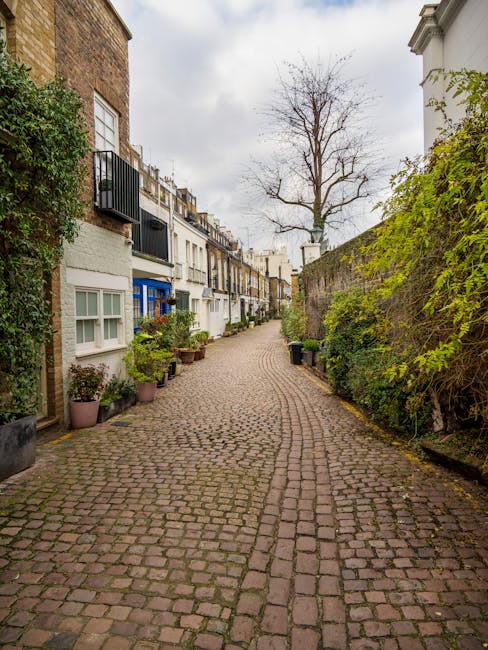
Fulham has many characterful back gardens and mews spaces that look charming from a window but are not always straightforward to work in. Some have narrow alley access, some share gates, and others contain hard landscaping, railings, or steep changes in level. Clearing these spaces means thinking like a logistics manager for a few hours, not just a gardener.
There is also a visual side to it. Small gardens can feel very cramped once debris starts building up. A pile of cuttings that would be harmless in a larger space can block a path, hide trip hazards, and make a job feel twice as big. In our experience, that is often the moment people realise clearance is not just about cutting things back. It is about creating breathing room again.
For homeowners, landlords, and property managers, a well-handled clearance can protect fences, paving, planting beds, drainage points, and even the feel of the entire property. If the garden is adjacent to a seating area, a side return, or a deck, a careless clear-out can undo more than one season of work. If you want to understand how this links to broader upkeep, low-maintenance garden ideas can be useful when planning what should stay and what should go.
How Garden Clearance Challenges in Fulham Mews and Narrow Gardens Works
Good garden clearance in a constrained space is usually staged, not rushed. The process often starts with an access check, because clearance can fail long before anyone picks up a rake if the route in and out is awkward. Then comes sorting: what is green waste, what is woody material, what can be composted, and what needs separate handling.
After that, the team works from the top down and the edges inward. Tall weeds, self-seeded saplings, dead stems, ivy, and bulky shrub growth are reduced first so the garden becomes readable. That matters more than people think. Once the structure is visible, it is easier to avoid damaging hidden features like lights, irrigation lines, edging, or young plants tucked behind the mess.
In narrow gardens, cutting and collecting need to happen in small cycles. You do not want to wait until the end and discover that every bag is too heavy to move through the only exit. Nor do you want to stack waste in a way that prevents safe movement back to the house. Small loads, cleared often, almost always work better than one heroic sweep. A bit less dramatic, but far safer.
If the garden contains climbers, overgrown boundary plants, or persistent ivy, clearance may also include selective pruning rather than a full cut-back. That approach protects the plant structure where needed while reducing bulk. For instance, if walls are being swallowed by aggressive growth, the article on keeping ivy under control gives a useful sense of why complete removal is sometimes the cleanest reset.
Waste management is another part of the job. In small gardens, every bag counts. Cuttings should be gathered in a way that keeps routes clear and minimises damage to paving or planting. This is why some jobs are handled with tarps, smaller containers, folding tools, or hand-carry methods rather than heavy wheelbarrows that cannot turn properly.
Key Benefits and Practical Advantages
It is easy to think of clearance as a purely cosmetic task. In reality, it brings several practical benefits that matter even more in compact Fulham gardens.
- Safer access: Removing clutter and low growth reduces trips, slips, and awkward movement through tight spaces.
- Better light: Clearing dense growth lets more daylight reach the garden, which can help shaded corners feel usable again.
- Improved drainage: Fallen leaves, moss, and blocked channels can worsen standing water in narrow plots.
- Cleaner boundaries: Fences, walls, and paving are easier to inspect and maintain once overgrowth is removed.
- More usable space: Even a small courtyard can feel noticeably larger once the visual clutter is gone.
- Healthier regrowth: Properly cleared beds and borders give better conditions for replanting, mulching, or restoring structure.
There is also a mental benefit that people often underestimate. When a narrow garden is overrun, the whole space can feel like a burden. After a decent clearance, the same garden often feels calmer, lighter, and more manageable. If you are aiming for that stripped-back, restful feeling, the ideas in a more peaceful, simplified garden may resonate.
Another practical win is better planning for future maintenance. Once the worst of the overgrowth is removed, it becomes much easier to see whether the space would benefit from ground cover, containers, vertical planting, or simply a more realistic planting scheme. In a tiny garden, the best design is usually the one that works with the site, not against it.
Who This Is For and When It Makes Sense
This kind of clearance is relevant to a surprisingly wide group of people. Homeowners often call for it when a garden has got away from them after a busy season, a renovation, or a period of vacancy. Landlords and letting agents may need it between tenancies, especially where the outdoor space has been left untended. Property managers may also need a quick turnaround before photos, valuations, or move-in dates.
It also makes sense if you are planning something more than a tidy-up. Maybe you want to install seating, replace tired fencing, repair paving, or start from scratch with planting. In that case, clearing the garden properly first is not optional. It is the foundation. A badly cleared space tends to create headaches later, usually at the least convenient moment.
People with limited access benefit especially from professional help. If waste has to be carried through the house, through a shared mews gate, or along a very narrow passage, the job needs care and sequencing. One small misstep and you are brushing mud on walls or dragging thorny cuttings past a freshly painted door. Not ideal.
If you are thinking about a broader refresh rather than just cutting things back, it may help to review garden makeover basics before deciding what to clear, retain, or redesign.
Step-by-Step Guidance
Here is a practical way to approach garden clearance in a narrow or mews setting.
- Survey the space first. Look for access points, hidden steps, fragile edging, water butts, bikes, bins, cable runs, and any shared boundaries.
- Decide what type of clearance you need. Light tidy-up, seasonal cut-back, full reset, or clearance before landscaping all require different levels of effort.
- Work from the highest growth down. Remove tall weeds, brambles, dead stems, and overhanging branches before tidying lower layers.
- Open up the routes. Clear the main walkway early so materials can move out without creating a bottleneck.
- Separate waste as you go. Keep soft green waste apart from woody material and reusable garden items if possible.
- Check for damage or problems. Once the clutter is down, inspect paving, fence lines, walls, and drainage.
- Finish with a reset. Sweep, rake, level soil where needed, and leave the space ready for the next step, whether that is planting, patio cleaning, or repairs.
For properties where the garden floor itself needs attention after clearance, pairing the job with patio cleaning in Fulham can make the space feel properly finished instead of merely emptied. That little extra step matters.
One useful habit is to take quick before-and-after photos. Not for show, just for clarity. Narrow gardens can deceive the eye. Photos help you see what still needs attention and what is already resolved. Sometimes the garden looks done at 4 p.m. and somehow still not done after tea. It happens.
Expert Tips for Better Results
Good clearance in tight spaces comes down to restraint and sequence. The first instinct is often to cut everything down fast, but that can create more mess than progress. A steadier approach tends to work better.
- Use smaller, lighter loads. In narrow access routes, smaller bags are safer and quicker to move.
- Keep one route open at all times. Never let the garden become a dead-end of debris.
- Protect walls and paving early. Sheets or tarps can reduce scraping and staining.
- Choose hand tools where power tools are awkward. In tight corners, small shears, folding saws, and loppers often beat bulky machinery.
- Trim strategically, not emotionally. Some plants recover better with selective pruning than total removal.
- Know when to stop. If roots, utility covers, or structural issues appear, it may be time to pause and reassess.
When access is especially awkward, some gardeners use the same mindset that works in vertical planting and confined growing areas: plan up, down, and sideways before you start. That is why the thinking in vertical gardening for compact urban spaces can be surprisingly helpful even during clearance. It reminds you to look at every surface, not just the ground.
Another tip: clear in daylight if you can. Morning light is best, partly because you see detail more clearly and partly because a narrow garden in poor light can make minor hazards look invisible until you are standing on them. Not ideal in November drizzle, obviously, but you work with what you have.
Common Mistakes to Avoid
There are a few errors that keep showing up in small-garden clearances. The first is underestimating the volume of waste. A garden that looks manageable from the back door can produce far more material than expected once cutting begins. If there is ivy, woody shrub growth, or layered debris, it can fill bags fast.
The second mistake is starting in the wrong place. If you begin in the deepest corner, you may block your own exit before the job is half done. In narrow spaces, access is a working tool, not just a doorway. Guard it.
The third issue is forgetting what is hidden. Brambles can cover broken paving. Dense climbers can disguise brittle fence panels. Old pots, toys, old canes, and even a forgotten hose can appear suddenly. No one enjoys discovering a buried hose. It is usually tangled, muddy, and a bit smug about it.
Other common mistakes include:
- Leaving waste piled against walls or fences for too long
- Using oversized tools that damage borders or paving
- Removing too much too quickly and exposing weak structures
- Ignoring the condition of the access route
- Assuming the garden can be cleared without planning waste disposal
If your garden is heavily shaded or overrun by climbers, a thoughtful approach matters even more. Helpful context on planting and recovery can be found in ideas for evergreen climbers in dim areas, especially if you want to replace rather than simply remove.
Tools, Resources and Recommendations
You do not need a van full of machinery to clear a narrow garden well, but you do need the right kit. The best tools depend on the density of growth and the level of access. For most compact Fulham gardens, the useful basics are a pair of sturdy gloves, hand shears, loppers, a pruning saw, a rake, heavy-duty bags, and something to protect surfaces during transfer.
For tougher clearances, a hedge trimmer may help on boundary growth, though it is usually used carefully and only where there is enough room to work safely. Long-handled tools can reduce bending in deep but narrow spaces. Foldable tools are handy where storage and transport are awkward. And a decent broom. Never underestimate the humble broom.
There are also practical service pages that can help when clearance is part of a wider project. For example, if the job exposes tired lawn areas, you may want to consider lawn care in Fulham afterwards. If hedges are part of the problem, the site's hedge trimming service is a useful next step. And when clearance reveals a space that needs rethinking altogether, landscaping support in Fulham can help turn the reset into something more lasting.
For a broader maintenance mindset, the article on key gardening tools is worth a look. It reinforces a simple truth: the right tool saves effort, but the right sequence saves the day.
Law, Compliance, Standards, or Best Practice
Garden clearance is not usually a heavily regulated activity in itself, but safe working practice still matters. In the UK, sensible standards around manual handling, personal protective equipment, waste disposal, and property safety are part of normal good practice. If a job involves height, sharp tools, slippery surfaces, or restricted access, care should be taken to reduce risk before work begins.
For rented properties or managed buildings, it is also wise to keep the space tidy and accessible for neighbours, residents, and contractors. Shared access in mews settings can create extra responsibility around leaving entrances clear, avoiding damage, and not blocking communal routes. That sounds obvious, but in practice it is one of the most common friction points.
If waste is being removed, it should be handled in line with normal household and garden waste expectations. The exact arrangements vary depending on how the material is collected, stored, and disposed of. A careful approach is always better than trying to improvise at the end. Better to plan it once than to drag six overfilled bags through a narrow gate while hoping they do not split. That is a bad afternoon waiting to happen.
Where work touches on tree limbs, protected features, or boundary disputes, the safest course is to pause and check before proceeding. The same cautious mindset applies to old fences and retaining structures. If the clearance exposes damaged timber or unstable edging, it may be sensible to review fencing options in Fulham before moving ahead with new planting or heavy use.
Options, Methods, or Comparison Table
Different clearance methods suit different gardens. Here is a practical comparison to help you decide what fits best.
| Method | Best for | Advantages | Limitations |
|---|---|---|---|
| Light tidy-up | Small seasonal cut-backs and leaf removal | Quick, low disruption, ideal for routine upkeep | Won't handle dense overgrowth or hidden waste |
| Manual clearance | Very narrow access, delicate planting, mixed debris | Precise, safer around walls and borders, easy to control | Slower on large volumes |
| Tool-assisted clearance | Thicker stems, shrubs, and boundary growth | More efficient for woody material and tall growth | Needs room and sensible handling |
| Full garden reset | Severely overgrown or vacant gardens | Creates a clean starting point for redesign or repair | More waste, more planning, more time |
| Clearance plus renovation | Gardens due for replanting, new paving, or layout changes | Best for long-term improvement and usability | Usually more involved and may need phased work |
For many Fulham mews gardens, the best option is actually a combination: manual clearance in tight sections, tool-assisted work on the borders, and a final sweep or wash-down to reset the visible space. Not glamorous, but it works.
Case Study or Real-World Example
Imagine a long, narrow rear garden behind a mews property. The access is through a side passage barely wide enough for one person carrying a bag. The garden has a mix of bramble, self-seeded shrubs, leaf litter, and a few old containers half buried in the growth. There is a fence line running down one side and a small patio at the back that has become almost invisible under debris.
The first mistake would be to start cutting at the far end and hope for the best. That would simply create a pile with nowhere to go. A better approach is to clear the access route first, then work in sections from the entrance outward. As each section is cut back, waste is bagged and removed immediately. The patio is left until the end so it does not become a storage zone for cuttings.
Once the dense growth is down, the fence line can be inspected. In this kind of garden, you often discover that what looked like one problem was actually three: tangled growth, compacted soil, and a neglected hard surface. At that point, a follow-up clean and a plan for more manageable planting make all the difference. If the space will be used for sitting out, practical seating-area ideas can help you think about how to make the cleared space genuinely useful rather than merely empty.
The pleasing part is the moment the garden stops fighting you. You can see the boundaries again. Light moves through it. The place gets its shape back. And that, honestly, is often the real goal.
Practical Checklist
Use this checklist before and during a clearance job in a Fulham mews or narrow garden.
- Check access width, gate clearance, and any shared routes
- Identify fragile features, steps, or low walls before work starts
- Decide where waste will be stacked, bagged, and removed
- Keep the main path open from start to finish
- Separate green waste from woody or bulky material
- Use tools that fit the space, not the other way around
- Protect paving, walls, and painted surfaces
- Inspect for hidden damage once growth is removed
- Leave the garden swept, level, and ready for the next stage
- Plan follow-up work such as replanting, hedge shaping, or lawn recovery
If you are turning the cleared space into something calmer or simpler, pairing the job with thrifty low-maintenance ideas can help keep the garden manageable long after the clearance is finished.
Conclusion
Garden clearance challenges in Fulham mews and narrow gardens are mostly about control: control of access, of waste, of timing, and of what gets removed first. In a compact space, the details matter more than the drama. A careful plan almost always beats a rushed clear-out, and small decisions about sequencing can save a lot of trouble later.
The good news is that narrow gardens respond quickly to the right kind of attention. Once the overgrowth, debris, and blocked paths are gone, the space usually reveals more potential than expected. That may mean a cleaner courtyard, a better planting scheme, or simply a garden that feels easier to live with. And that is a proper result, not just a tidy one.
If your garden feels boxed in, overgrown, or difficult to manage, the next step does not have to be overwhelming. Start with access, clear in sections, and think about what you want the space to do next. Small garden, yes. Small possibilities? Not at all.
Get a free quote today and see how much you can save.


With many years of experience in the gardening industry, Tucker produces a multitude of articles covering various gardening and landscaping topics. His efforts have facilitated the enjoyment of stunning garden designs for numerous individuals.