Fulham Palace garden clearance and gardeners near Bishops Park
Posted on 19/10/2026
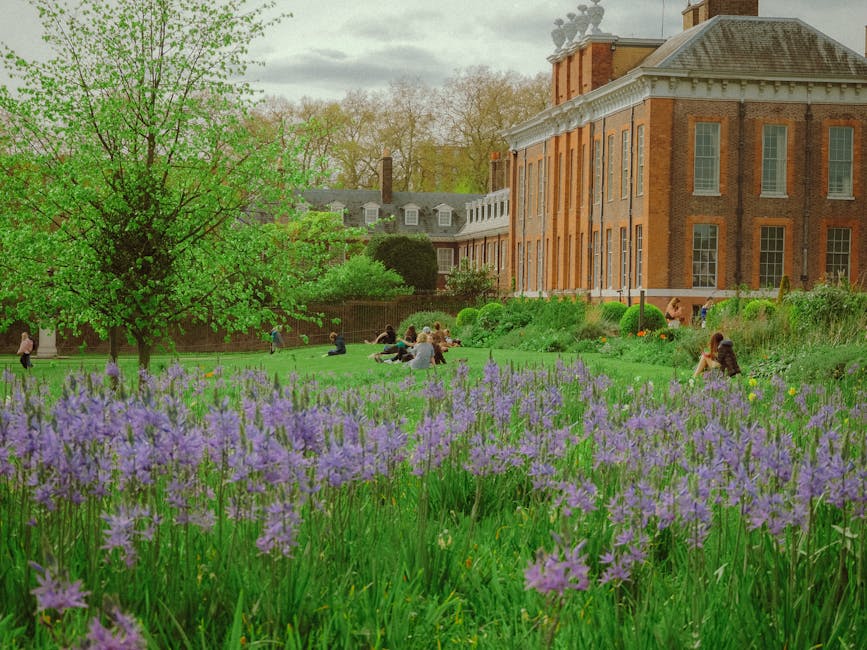
Fulham Palace garden clearance and gardeners near Bishops Park: a practical local guide
If you are dealing with an overgrown plot, a tired lawn, a pile of prunings, or simply a garden that has slipped down the list for a few months, Fulham Palace garden clearance and gardeners near Bishops Park can make a very real difference. In a local area where outdoor space is often precious, a well-planned clear-out is not just about tidying up. It is about restoring usable space, protecting planting areas, and setting the garden up for easier care going forward.
This guide breaks down what garden clearance actually involves, how local gardeners approach it, what to expect in a typical visit, and how to choose sensible help without overcomplicating things. You will also find practical tips, a comparison table, a checklist, and a few local realities that matter more than people first think.
Why Fulham Palace garden clearance and gardeners near Bishops Park matters
Garden clearance is one of those jobs that can look simple from the street and then turn into a much bigger job once you start. Thick weeds hide borders, old stems hold damp, leaves cake into paths, and self-seeded growth quietly takes over. Around Fulham Palace and Bishops Park, where gardens can be compact, layered, and a bit awkward to access, a proper clearance is often the quickest route back to a calm, usable outdoor space.
It matters for more than appearances. A neglected garden can restrict light, encourage pests, make mowing difficult, and create trip hazards. If you have children, pets, or older family members using the space, that matters even more. A garden should feel welcoming, not like a monthly guilt trip. Truth be told, many people put it off because they are not sure where to start, and the job grows in their head until it feels unmanageable.
Local gardeners near Bishops Park also understand the practical side of working in London gardens: narrow side access, neighbour boundaries, limited storage space, and the need to work neatly. That local awareness saves time and avoids a lot of mess, which is half the battle really.
How Fulham Palace garden clearance and gardeners near Bishops Park works
Most clearances begin with a walkthrough. A gardener looks at what has built up, what should be removed, what can be cut back, and what needs protecting. That first look is important because not every overgrown patch is waste. Sometimes a border is full of perennial plants waiting to be rescued, or a hedge just needs firm shaping rather than total reduction.
From there, the work is usually split into stages:
- Assessment - identifying waste, live growth, hazards, and any access issues.
- Cutting back - reducing overgrowth, clearing dead stems, and opening up beds.
- Weeding and edging - tackling roots, invasive patches, and boundary lines.
- Waste collection - gathering green waste, branches, and bulky debris.
- Finishing work - raking, sweeping, and leaving the space tidy.
Some jobs are a one-off reset; others lead into ongoing garden maintenance. That is where local gardeners can be especially useful. If a space was cleared in spring, for example, a light follow-up every few weeks can stop it slipping back into chaos by late summer. Not glamorous, but effective.
For gardens with specific issues, the approach may be more tailored. Ivy can need careful removal if it has climbed walls or fences. Overgrown hedges may call for structured trimming rather than a rough cut. And if the garden has a neglected lawn, pairing clearance with regular lawn mowing in Fulham can help everything look coherent again.
Key benefits and practical advantages
A good clearance does more than remove rubbish. It changes how the garden functions day to day. You can feel it the moment you step outside: more light, more room, less snagging on overgrowth, fewer hidden corners for weeds to gather momentum.
- Better use of space - paths, seating areas, and borders become visible again.
- Healthier planting conditions - air movement and light can reach plants more easily.
- Easier maintenance - once the backlog is removed, routine care becomes manageable.
- Improved safety - fewer slippery surfaces, thorny tangles, and hidden trip points.
- Stronger first impression - useful if you are preparing to sell, rent, or simply want the place to feel looked after.
There is also a quieter benefit that people notice after the fact: mental breathing room. A cluttered garden tends to nag at you every time you look out the window. Once it is cleared, the space feels lighter. It sounds a bit dramatic, maybe, but it is true.
If your goal is a lower-effort outdoor space after the clearance, it may help to think ahead to plant structure and maintenance style. Ideas from a thrifty low-maintenance garden are often useful here, especially if you want less work and more calm.
Who this is for and when it makes sense
Fulham Palace garden clearance and gardeners near Bishops Park is a sensible option for a wide range of people, not just those with heavily neglected plots. In practice, it suits anyone who wants to regain control of a garden without spending every weekend wrestling with it.
It is especially useful if you are:
- moving into a property with an untidy or unknown garden history
- preparing for spring planting or a summer refresh
- recovering a garden after a long wet spell or a stormy winter
- dealing with overgrown hedges, ivy, or invasive weeds
- trying to open up space for seating, play, or entertaining
- maintaining a rental property or shared outdoor area
Sometimes the trigger is very ordinary. A neighbour mentions the hedge is creeping over, or the lawn has become patchy and full of debris. Or you step outside one sunny Saturday and realise the garden has quietly become a jungle. We have all been there, to be fair.
For people who want the garden to support daily life rather than fight against it, a clear-out is often the first sensible move. If that sounds like your situation, pairing clearance with broader gardening services in Fulham can create a more complete long-term plan.
Step-by-step guidance
If you are planning a clearance, it helps to know the process in advance. That way you can brief the gardener properly and avoid paying for tasks that do not match your priorities.
1. Walk the garden before anything is cut
Look for obvious priorities: dead branches, weeds, broken pots, fallen leaves, damaged fences, and blocked corners. Note any plants you want kept. It sounds basic, but a ten-minute walk can prevent unnecessary removal later.
2. Separate what stays from what goes
Good gardeners do this carefully, especially where shrubs, bulbs, climbers, or self-seeding perennials are mixed in with the mess. If a border has structure hiding underneath, you want that structure preserved.
3. Clear the largest waste first
Branch cuttings, bulky weeds, and accumulated debris are usually removed before finer tidying. That creates room to see the real layout of the garden. It also makes the rest feel easier, which matters more than people admit.
4. Tackle roots and regrowth properly
Surface tidying is only half the story. If root systems are left behind, the same weeds return quickly. A careful clearance gets underneath the problem, not just over it.
5. Finish with edging and surface cleaning
Once the main growth is removed, edges can be reset and hard surfaces swept or washed down. This is where the garden starts to look intentional again. The difference is often surprisingly dramatic.
For more complex tidy-up work, a service such as garden maintenance in Fulham can keep the space from sliding back into disorder after the initial reset.
Expert tips for better results
A few small choices can make a clearance far more effective. In our experience, the best outcomes usually come from clear priorities and a bit of planning, not from brute force.
- Do not clear everything at once if the garden has hidden structure. Some gardens look worse than they are. Beneath the tangle there may be healthy shrubs or useful planting lines.
- Think seasonally. After winter, the job may be about debris, pruning, and soil recovery. In summer, it may be weeds, edging, and water management.
- Ask for a finish, not just removal. The garden should be left workable, not merely emptied of green waste.
- Match the clearance to your end goal. A family garden, a wildlife-friendly space, and a minimal courtyard all need different treatment.
- Keep an eye on drainage and soil condition. If the soil is compacted or full of old organic matter, later planting can suffer.
There is a nice side effect here: once the garden is opened up, you can make better decisions about what to keep. Maybe a shady corner wants evergreen climbers for dim areas. Maybe a section near a wall would benefit from container planting instead of a bed that is constantly trampled. Small, sensible choices. They add up.
If you have a dog, young children, or both, it is worth considering how the cleaned space will be used. A garden should work with your life, not against it, and that is where good local gardeners earn their keep.

Common mistakes to avoid
A clearance can go wrong in a few predictable ways. None of them are unusual, and most are easy to avoid if someone is paying attention.
- Removing the wrong plants. It happens when a garden is cleared too quickly without checking what is living and what is dead.
- Ignoring the waste plan. A neat cut is pointless if the debris is left piled up for days.
- Using one approach for everything. Lawns, borders, hedges, and climbers need different treatment.
- Forgetting the follow-up. A one-off clearance without maintenance can rebound fast.
- Over-pruning. Some plants will recover; others do not love being reduced to sticks. A little judgement saves headaches.
One of the most common frustrations is expecting instant perfection from a garden that has been neglected for months or years. That is rarely realistic. The better mindset is progress: first clear, then refine, then maintain. Much less painful.
Tools, resources and recommendations
A tidy garden usually depends on the right tools, but not necessarily a huge kit. The essentials are often enough if they are used properly.
| Task | Useful tool or approach | Why it helps |
|---|---|---|
| General clearance | Secateurs, loppers, shears, rakes | Lets the gardener cut and collect waste efficiently |
| Weed removal | Hand tools and careful root lifting | Reduces regrowth and improves border condition |
| Heavy overgrowth | Stronger cutting tools and staged removal | Prevents damage and keeps the job controlled |
| Aftercare | Mulch, compost, edging, and routine checks | Helps the cleared space stay usable |
It is also worth reading a few practical gardening pieces if you are planning what comes next. For example, enriching soil with transformed organic debris is a useful direction if your cleared beds need better structure, and weed control ideas can help you stop the same problem returning too quickly.
For more seasonal planning, keeping your garden safe from the elements is a sensible companion topic, especially in London where weather can be a bit all over the place. One minute dry, next minute not.
Law, compliance, standards, or best practice
Most garden clearance work is straightforward, but there are still practical standards worth following. Responsible gardeners should work safely, dispose of waste correctly, and respect boundaries, access points, and neighbouring properties. If cutting back near walls, fences, or trees, care matters. If a tree is involved, it can move beyond ordinary clearance and into specialist work.
In the UK, garden and landscaping jobs also sit within general expectations around safety, handling tools properly, and not leaving hazards behind. Good practice includes protecting surfaces, managing sharp waste, and not blocking shared access. If a job raises concerns about unstable trees, heavy branches, or hidden structural issues, that is the point to pause and treat it as more than a simple tidy-up.
It is sensible to ask whether the team is insured and how they manage site safety. That is not being fussy. That is just common sense. If you want to understand a provider's approach, pages such as insurance and safety, health and safety policy, and terms and conditions are the sort of thing a careful customer should check before work begins.
Waste handling is another point. Green waste should not simply be dumped or hidden in a corner. It should be collected, loaded, and disposed of responsibly. If that is all handled as part of the service, it takes a lot of pressure off you.
Options, methods, or comparison table
Different gardens need different levels of intervention. A light refresh is not the same as a full reset. Here is a simple comparison to help you judge the right approach.
| Method | Best for | Typical scope | What to expect |
|---|---|---|---|
| Light tidy-up | Gardens that are mostly maintained but need a reset | Weeds, leaves, light pruning, surface sweep | Quick improvement and low disruption |
| Full garden clearance | Overgrown or neglected spaces | Heavy cutting, weed removal, debris clearance | Bigger visual change and more waste to remove |
| Clearance plus maintenance | People who want long-term control | Initial clearance followed by regular visits | Best for avoiding repeat overgrowth |
| Clearance plus landscaping | Gardens being redesigned or repurposed | Removal, reshaping, prep for new features | More planning, but stronger end result |
If you are still deciding what level of support you need, a page like pricing and quotes can help you think through scope and budget before you commit. That kind of clarity saves awkward surprises.
Case study or real-world example
Imagine a back garden near Bishops Park that has not had proper attention for most of the year. The lawn is patchy, the side return is full of weeds, one border is buried under dead stems, and ivy has started to wander where it should not. Nothing dramatic, just a typical city garden that has drifted.
A sensible clearance would start with the worst area first, usually the side return or back corner, because those spaces tend to hide the bulk of the debris. Once that pile is gone, the rest of the garden suddenly becomes readable. The gardener would then cut back the overgrowth, lift weeds, define the edges, and remove waste in stages so the property does not feel like a building site.
After the reset, the owner might decide to keep the garden simple: a clearer lawn, a few containers, and perhaps a small seating area for morning coffee. Nothing fancy. Just useful. In fact, if the new aim is a calmer outdoor space, a guide like enhancing outdoor spaces with seating areas can be surprisingly relevant after a clearance.
The real win in a case like this is not perfection. It is movement. The garden stops feeling like a problem and starts feeling like part of the home again. That shift is bigger than it sounds.
Practical checklist
Use this before booking or starting a garden clearance. A quick checklist keeps everyone on the same page.
- Walk the garden and mark anything you want to keep
- Identify problem areas: weeds, ivy, dead growth, broken items
- Decide whether you want a one-off clearance or ongoing maintenance
- Check access for side gates, rear entry, and waste removal
- Ask how green waste will be handled
- Confirm whether lawn care, hedge work, or patio cleaning is also needed
- Think ahead to your end use: seating, play space, planting, or all three
- Keep pets and children away from the work area during clearance
- Review safety and insurance information before the job begins
- Plan a simple aftercare routine so the space stays tidy
If you know the garden will need ongoing attention, it can help to explore lawn care in Fulham or broader gardening services after the clearance. That is usually the easiest way to keep the hard work from fading away.
Get a free quote today and see how much you can save.
Conclusion
Fulham Palace garden clearance and gardeners near Bishops Park is really about getting your outdoor space back to a place where it works for you. Not just cleaner, but easier. Not just tidier, but more usable and more inviting.
The best results usually come from a clear plan, honest priorities, and a gardener who understands how local gardens behave through the seasons. Whether you need a one-time rescue job or a steadier maintenance rhythm afterwards, the right support can take a lot of weight off your shoulders.
And once the clutter is gone, you can finally see what the garden wants to become. That is often the nicest part.

With many years of experience in the gardening industry, Tucker produces a multitude of articles covering various gardening and landscaping topics. His efforts have facilitated the enjoyment of stunning garden designs for numerous individuals.